




Silicone
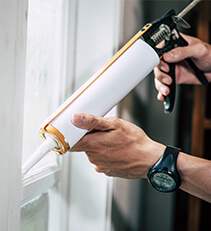
Sealants are used to seal because they are unaffected by water and most chemicals.
This means that they are very difficult to remove. The vigorous scraping away
of unwanted silicone sealant may damage the surface underneath.
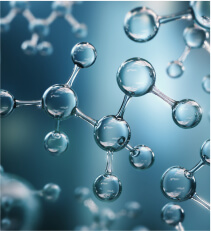
Silstrip is available as a specially formulated liquid or a thixotropic gel. It contains an active ingredient that specifically attacks silicone but does not affect most other materials. Silstrip effectively 'digests' the silicone, breaking it up at a molecular level. This means that:
Free from halogenated solvents, low hazard SILSTRIP dissolves in water and may be flushed into the sewage system. Silstrip is biodegradable. SILSTRIP WILL NOT AFFECT METALS, GLASS, CERAMICS, MOST PLASTICS OR SURFACE FINISHES. It may affect nylon.
Silstrip is classified as an 'irritant'. This is the mildest hazard classification. It is recommended to avoid contact with skin. In case of contact with eyes rinse imediately with water and seek medical attention. No other special precautions are necessary.
| Cut away most of the silicone sealant with a knife or razor blade. The remaining silicone, which is strongly bonded to the surface will be removed by SILSTRIP. | ![]() |
|
| Silstrip will not work in the presence of moisture. The surface has to be clean and dry and free from greasy or oily deposits. | ![]() |
|
| Cover with masking tape the silicone sealant you do not wish to remove | ![]() |
|
| The thicker the layer of silicone sealant the more SILSTRIP will be required. Apply it liberally to the silicone sealant. Thicker desposits may have to be left overnight for maximum effect. | ![]() |
|
| Gently remove the digested silicone sealant with a blunt edged instrument such as a wooden or plastic spatula. | ![]() |
|
| Wash away any residues with water. A coarse cloth or nailbrush may be needed. | ![]() |